
When I first started keeping a log of my playtime, I was surprised by how quickly the hours added up. The good news is that you can still enjoy digital entertainment without it turning into a full‑time commitment. Below are seven concrete habits that helped me strike a balance, and they’re easy enough for anyone to adopt.
1. Set a hard stop time every day
I carved out a “game‑free” window of 30 minutes before bed. I set an alarm on my phone at 9:30 p.m. and, when it rang, I shut the console and put the controller in its case. The result? I fell asleep 15 minutes faster and woke up feeling less groggy. If you’re struggling with late‑night sessions, try the same 30‑minute rule and adjust the time until you feel it works for you.
2. Use the 20‑minute rule for new titles
When a new game drops, my instinct is to dive straight in. Instead, I give myself a 20‑minute “trial” session. If I’m still hooked after that, I’ll buy the full version; if not, I’ll put it back on the shelf. This keeps my library lean and my wallet lighter. It also forces me to decide quickly whether a game truly deserves my time.
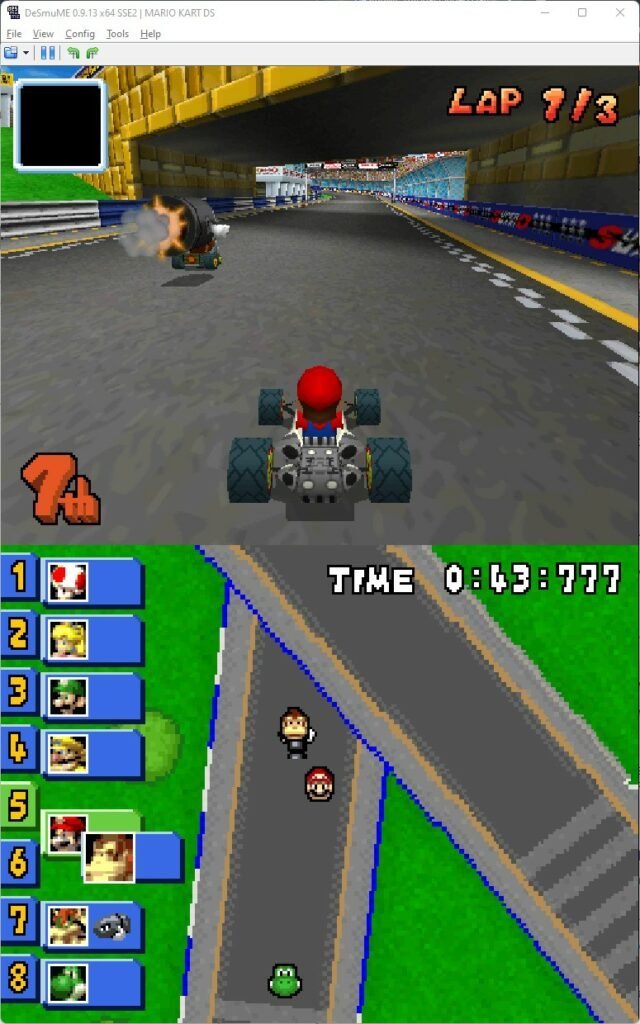
3. Schedule play sessions around real‑world commitments
I treat gaming like any other activity: I write it on my calendar. I block 1 hour on Wednesdays for a co‑op adventure, and I leave Tuesdays open for family dinner. When I have a set slot, I’m less likely to let a game spill over into work hours or social plans.
4. Keep a “play log” to track patterns
Every Sunday night, I review my log: how many hours I played, which games, and how I felt afterward. I noticed that long sessions on competitive shooters left me irritable, whereas shorter, casual puzzle games left me relaxed. The log helped me tweak my schedule so that the games I play match my mood.
5. Take a 5‑minute break every 45 minutes
My brain can’t focus on a screen for longer than an hour without a breather. I set a timer that rings every 45 minutes, and when it does, I stand up, stretch, and hydrate. If I ignore the timer, I usually feel a dip in concentration and a spike in eye strain. The short break keeps my body and mind refreshed.
6. Use a dedicated “gaming corner” that’s not the bedroom
By moving my setup to the living room, I create a clear boundary between gaming and sleeping. The bedroom becomes a place for rest, not for checking scores. This simple spatial change reduces the temptation to play right before bed.
7. Build a social support network around shared interests
Instead of playing alone, I join a local gaming club that meets twice a month. We discuss strategy, swap tips, and occasionally play together. The social element keeps me engaged without letting the game consume my entire free time. Plus, it’s a great way to meet people who share your passion.
While mastering a healthy gaming routine can feel like a chore, the payoff is worth it. You’ll notice better sleep, clearer focus, and more time for other hobbies. If you’re curious about how digital entertainment can fit into a balanced lifestyle, check out www.delightfulbygabriella.com for a broader look at modern leisure activities.
In the end, the goal isn’t to eliminate gaming altogether; it’s to make it a part of a well‑rounded life. By setting boundaries, tracking habits, and staying socially connected, you can keep the fun alive without letting it take over.
Frequently Asked Questions
Is spending 12 hours a week on screens safe?
Yes, if balanced with breaks, sleep, and other activities, 12 hours is manageable for most people.
How can I set a hard stop time?
Choose a specific hour each night, set an alarm, and commit to shutting down the console when it rings.
What if I miss my game‑free window?
Treat it as a learning moment; adjust the schedule or add a shorter break earlier in the day.
Can these habits apply to other screen activities?
Absolutely—they work for streaming, social media, and work-related screen use as well.